
OopBuy Spreadsheet: Keep Risk Visible in Your Shortlist
An OopBuy spreadsheet helps organise product ideas, but a useful shortlist does more than collect links. It lets you see why an item is still a candidate, what you need to check and which decision comes next. Keep those questions visible instead of treating a saved product as a finished choice.
Keep a candidate for a reason
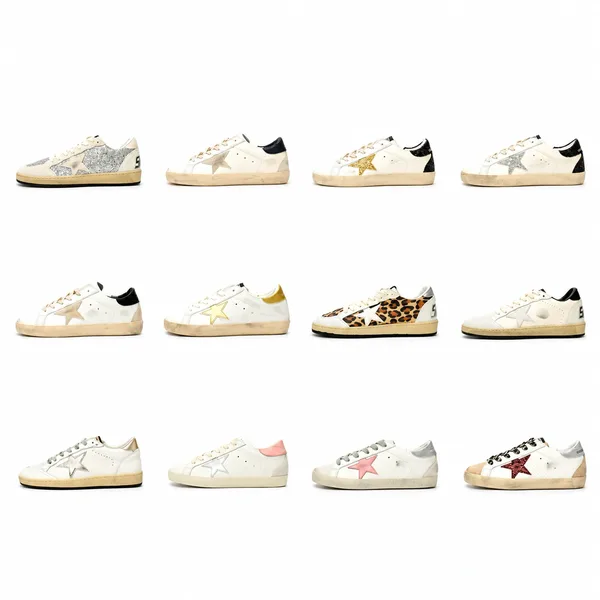
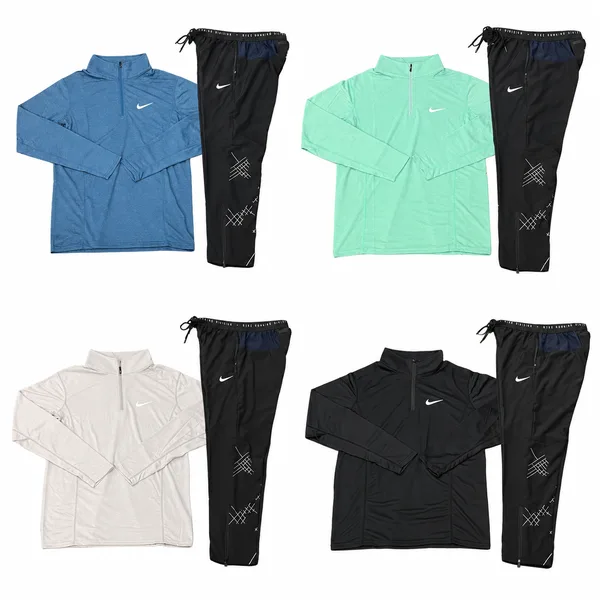
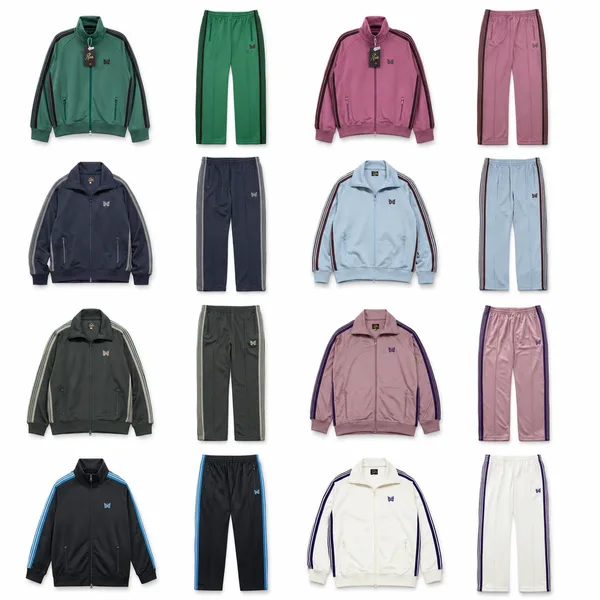
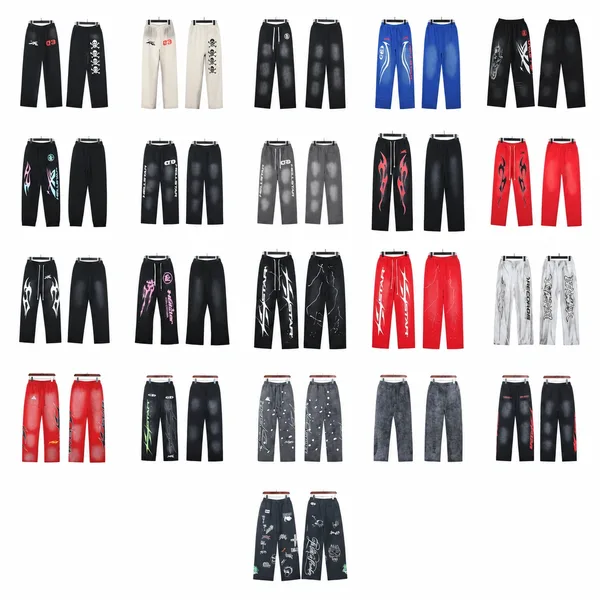
Start with the use you have in mind. For a layer worn over another garment, fit in that combination matters more than the size letter alone. For a design-led item, identify the detail you actually want to see. An attractive thumbnail may start the search without answering either question.
Give each candidate a short note: the intended option, the feature that interests you and the unanswered question. If the information already rules it out, remove it from your active comparison rather than continuing to treat it as equally suitable. If a detail is missing, identify what would resolve it.
Compare the selected product, not a remembered image
Open the destination and confirm the colour or size you intended. If the page defaults to another option, its displayed information may concern that option. Do not transfer measurements from a similar-looking item simply to complete a note. The size guide helps turn a fit preference into a specific comparison.
View the white floral-lightbulb graphic T-shirt, or browse the product catalog for alternatives. Check the information that loads for the item you select; unresolved product options are not confirmation that a size is available.
If a link changes, keep the old note while deciding whether a new result is a suitable replacement. A similar picture does not make it the same listing. For comparing several collections, continue to OopBuy spreadsheets.
Do not finish the budget with an assumption
Keep the product amount, transport estimate and optional services separate until their scope is clear. Check quantity, option and currency before calling one candidate cheaper. An OopBuy coupon or points reward needs its own conditions checked before you count it as a reduction.
Plan the parcel you actually want, not a theoretical average cost per item. Use the shipping calculator guide for destination and package inputs, then the shipping guide to compare the available service information. Adding something unwanted can raise total spending even if an average looks more attractive.
Use pictures and experiences for the questions they can answer
QC photos need to match the item and option before they can answer a visible question. They do not establish every aspect of comfort or long-term use. If the relevant part is hidden, ask about that view rather than guessing the result.
Community finds can help discover candidates, while a review may describe only one stage of a purchase. A delivery account is not a size recommendation. The delivery-time guide explains why the starting event matters when comparing experiences; tracking concerns the events associated with a particular parcel.
Take the chosen item forward
Bring the item link, selected option and any unresolved question into the buying guide. Match the received item with its own QC photos, then use the warehouse guide to decide which pieces are ready for a parcel.
Check the existing payment or packing record before repeating an action. A purchase update concerns the item; tracking follows the dispatched parcel. Keep these records distinct so an update for one does not get mistaken for progress on the other.
Other languages
Read the Swedish collection to keep unresolved selection questions visible, with a dated Sweden shipping example and knit-detail photo guide.
The Austria collection keeps open product questions attached to their candidates. Continue to its shipping example or knit-photo interpretation guide for those specific decisions.
Read the Slovak spreadsheet collection for the same core questions in Slovak, including shipping to Slovakia and a guide to interpreting knit-detail photos.
The German section provides German-language reading. Czech readers can use OopBuy recenze. For Spanish, start with OopBuy opiniones or ¿OopBuy es confiable?. These links identify their language; the main guides above are in English.
Use a comparison card instead of a star score
Take one buying question to each collection you are considering. For example: finding a hoodie that works over your usual T-shirt. Fill in the following card for the candidates you actually open. Keep unanswered questions visible; do not assign them an imaginary score.
| On your comparison card | Write this | What it helps you decide |
|---|---|---|
| Intended use | How you want to wear the item | Which measurements matter |
| Candidate | Product destination and chosen option | Whether you are comparing the same thing later |
| Reason to keep it | A feature relevant to that use | Whether the candidate still belongs on the shortlist |
| Unanswered question | One specific missing detail | Whether to ask, compare further or move on |
| Reason to reject it | A confirmed mismatch with your need | When more browsing of this candidate is unnecessary |
| Spending scope | What the displayed amount includes | Whether the apparent price comparison is meaningful |
The collection is useful when it helps you complete this card accurately. A larger list that leaves every decision unresolved is not automatically better than a smaller list with clearer information. This is a comparison method, not a published rating of collections we have tested.
Look for meaningful variety
Several colours of one product can be useful without representing several independent alternatives. Compare destinations before counting them as different choices. Conversely, similar photographs can belong to different listings whose details should not be merged.
Keep the original product reference when considering a replacement. A new address should not inherit the old item's measurements or someone else's QC record just because the design looks similar. The links guide covers these distinctions.
Reduce a shortlist without losing the reason
For each candidate, write one reason to keep it and one unresolved question. A useful reason might be the design you want to compare; a question might concern sleeve length. Avoid vague rankings such as “best quality” when you have only seen a listing image.
If two saved entries lead to the same product, compare their options before deleting either from your personal shortlist. They may be duplicates, or they may record different intended sizes. Keep the choice explicit so a later purchase does not accidentally use the wrong variant.
The size guide helps turn a fit question into a comparable measurement. The best-spreadsheet guide evaluates whether a collection makes that work easier; the number of saved rows is not the result by itself.